
Central Heating
Central heating repairs, servicing and full system installation across Folkestone and Kent. Cold radiators, pressure loss, noisy systems and heating that has stopped altogether.
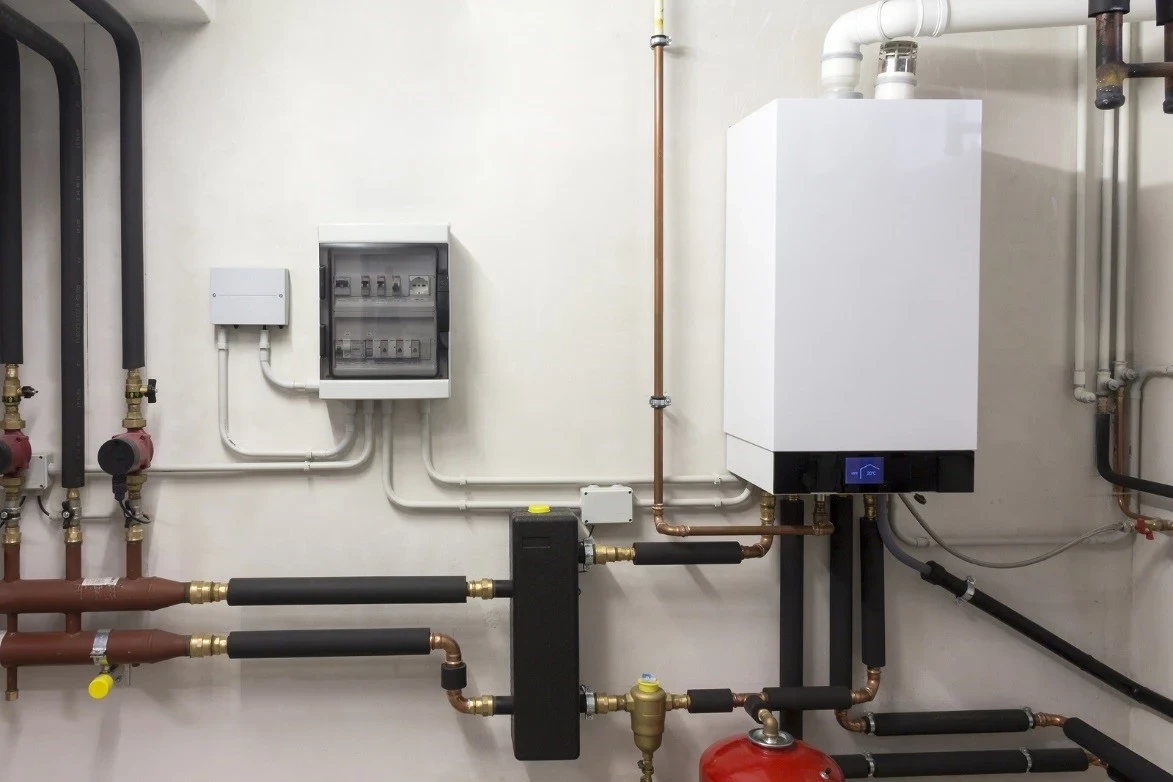
Central Heating in Folkestone
Heating problems are rarely just the boiler. A cold radiator, a system that takes an hour to warm up, or pressure that drops every week are all system faults, and replacing the boiler will not fix any of them.
We repair, service, upgrade and install central heating across Folkestone, Hythe and the surrounding villages. Below is how to work out what you are actually dealing with before you call anyone.
No heating at all
Worth running through this first, because it occasionally saves you a call-out entirely.
Check the programmer. Is it switched on, set correctly, and showing the right time? Timers reset after a power cut and a wrong clock is a genuinely common cause of "the heating has stopped working".
Check the room thermostat. Is it set above the current room temperature, and does it have working batteries? A flat battery in a wireless thermostat will stop the whole system.
Check the boiler pressure. The gauge should read between 1 and 1.5 bar when cold. Below 1 and the boiler will lock out.
Check for a fault code. Write it down before you reset. It narrows the diagnosis considerably and often means we arrive with the right part.
Check the gas is on elsewhere. If the hob will not light either, the problem is the supply rather than the boiler.
If all of that checks out, it is a real fault and we will come and find it.
Radiators that will not heat properly
The pattern tells you the cause, and the fix is completely different in each case.
Cold at the top, warm at the bottom. Trapped air. Bleed it. This one you can do yourself in five minutes.
Cold at the bottom, hot at the top. Sludge. Iron oxide has settled in the bottom of the radiator and water is only circulating across the top. Bleeding will not touch it and no amount of turning the valve will help. This needs a power flush. See why radiators develop cold spots.
One radiator stone cold while others are fine. Usually a seized thermostatic valve. The pin underneath the head sticks after a summer of not moving. It can often be freed rather than replaced.
Radiators furthest from the boiler are lukewarm. The system needs balancing. This is an adjustment to the lockshield valve on each radiator to even out the flow, it costs nothing in parts, and most systems have never had it done. See how to balance comfort across your radiators.
Upstairs works but downstairs does not, or the other way round. A failed motorised valve or a zone control fault. Frequently only the actuator head needs replacing, which is quicker and cheaper than changing the whole valve.
Pressure that keeps dropping
If you are topping the system up more than once a month, something is wrong and it is worth sorting properly.
It is either a leak somewhere on the system or the expansion vessel. A leak shows itself eventually as a damp patch, a ceiling stain or corrosion around a valve. An expansion vessel that has lost its charge shows as pressure climbing high when the system is hot and dropping when cold, often with water discharging from the relief pipe outside.
There is a reason not to just keep topping it up: every refill brings fresh oxygenated water into the system, and oxygen is what drives the internal corrosion that produces sludge in the first place. You are accelerating the next problem. See why your boiler keeps losing pressure.
Noise
Kettling, banging or rumbling from the boiler. Scale or sludge on the heat exchanger, restricting flow so water boils against the metal. See why does my boiler make strange noises.
Humming or vibration. Usually the circulating pump, which typically has a service life of around ten years.
Gurgling. Trapped air.
Ticking and clicking as the heating comes on. Pipes expanding against joists or clips. Normal, and not a fault. See noisy pipes and what the sounds may mean.
Sludge is the thing most systems actually have
Every steel radiator corrodes slowly from the inside, producing black iron oxide that settles in radiators and pipework and restricts flow across the whole system.
The tell is simple: bleed a radiator into a clean container. A healthy system bleeds clear. Black water means sludge, and the system is running well below what it should.
A power flush circulates water at high velocity with flow reversal to shift deposits a chemical flush will not touch, finishing with a corrosion inhibitor dose to stop it reforming. A magnetic filter on the return pipe then catches iron oxide before it reaches the boiler, and most manufacturers now require one for a new boiler warranty to remain valid.
If you have a system with cold spots at the bottom of radiators, a noisy boiler and a pump that has already been replaced once, that is a sludged system rather than a run of bad luck.
Getting more from the system you already have
Two things make a bigger difference than most people expect, and neither involves replacing anything major.
Balancing. Costs nothing in parts and fixes the "one room is always cold" complaint in most houses.
Controls. A correctly set schedule captures most of the available saving before you spend anything on smart kit. Beyond that, thermostatic valves on every radiator stop you heating empty rooms, and separate zones for upstairs and downstairs suit most households far better than a single zone.
The one genuinely significant upgrade that rarely gets mentioned is weather compensation or OpenTherm, which lets a modern condensing boiler modulate its output and run at lower flow temperatures, which is where its efficiency actually is. See how heating controls can improve comfort.
Servicing and when to book
An annual service is the cheapest thing you can do to avoid an expensive January. It keeps your manufacturer warranty valid, catches components that are on the way out while they are still cheap, and checks for combustion problems and carbon monoxide risk.
Book it in summer. Everyone books in October when the heating goes on and something does not work, which means longer waits and less choice of appointment.
See boiler servicing, how often should central heating be checked and preparing your plumbing for winter.
Full system installation
Where a property has no heating, or a system has genuinely reached the end of its life, we design and install from scratch.
That starts with a room by room heat loss calculation rather than a price. Every room is assessed for external wall area, window area and type, insulation and exposure, which gives the heat requirement for each room and therefore the radiator sizes and the boiler output needed.
Skipping that step is exactly why so many systems have one room that never quite warms up and a boiler two sizes larger than necessary. It takes a couple of hours and it is the difference between a system that works and one you put up with.
A typical three bedroom house takes four to five days. Floors come up, and we walk the full pipework route with you before starting rather than surprising you on the first morning. See how to prepare for a new boiler installation.
What we cover
Central heating repairs, from cold radiators to complete system failure
Boiler repair and fault diagnosis
Power flushing and magnetic filter installation
Radiator installation, replacement and valve work
System balancing
Pump and motorised valve replacement
Heating controls, thermostats and zoning
Full system design and installation
Underfloor heating
24 hour emergency callouts for total heating failure in cold weather
Common questions
My radiators are cold at the bottom. Will bleeding help? No. Cold at the bottom is sludge, not air. Bleeding only helps when the radiator is cold at the top.
How often should I bleed my radiators? If you are having to bleed them regularly, air is getting into the system and that needs investigating rather than managing.
Is a power flush worth the money? On a genuinely sludged system, yes, and it will make a noticeable difference to warm-up time and radiator performance. On a clean system it is money wasted, which is why we check before recommending it.
Should I replace my boiler or repair it? As a rough guide, if the repair costs more than a third of a new boiler and the existing one is over twelve years old, replacing usually makes better sense. Under eight years old, repairing almost always does.
Do I need to run the heating in summer? Run it for ten minutes once a month. It stops the pump seizing, which is a common September problem.
We cover central heating across Folkestone, Hythe, Cheriton, Sandgate, Saltwood, Hawkinge, Dover and Ashford.
Call +44 7915 255984 to book a heating repair or service.


